Alright… I might make a few enemies with this one.
But I’ve got to say it. How many times have I heard:
👉 “We only work with WAV. It’s the real quality.”
At first, I nodded. Because that’s the usual line in our scene.
But the more I dig, the more I realize something: WAV is overrated.
Not useless, sure. But overhyped. And often misused.
1. A persistent myth
In the sound system world, there’s a kind of dogma:
WAV = purity
MP3 = sacrilege
Sure, in theory, WAV means no compression. No loss. Full spectrum.
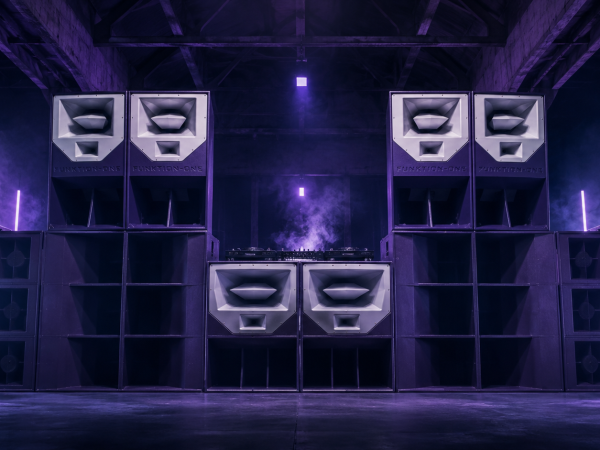
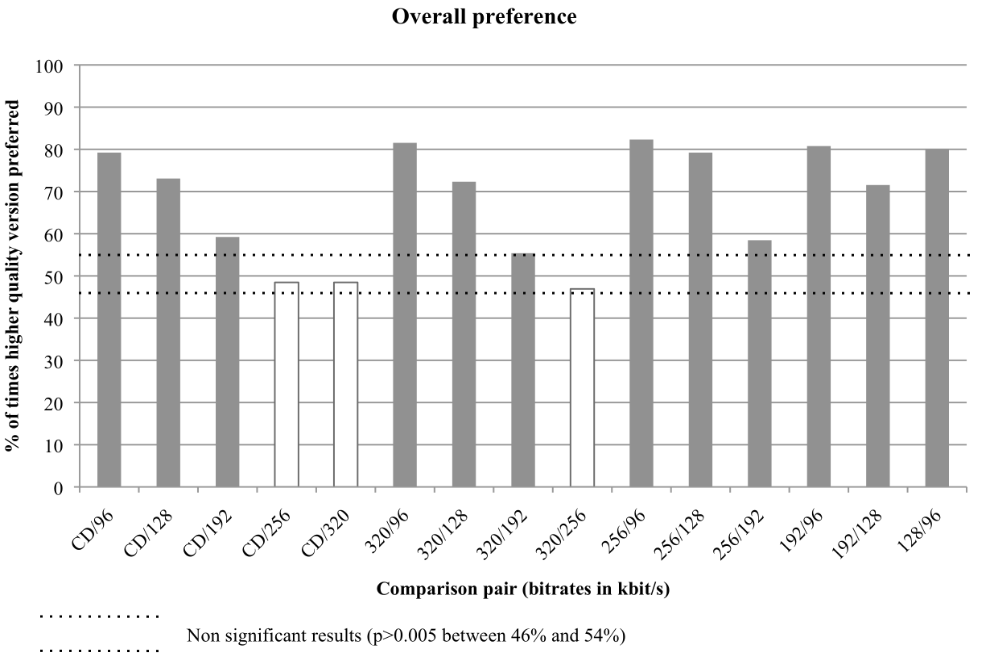
But in practice? Almost no one hears a difference above 256 kbps — especially not in front of a wall of scoops five meters away from the source.
A study from McGill University showed that trained listeners — sound engineers and musicians — could tell WAV apart from MP3… up to 192 kbps.
But beyond that (256, 320 kbps)?
Even they weren’t sure anymore
2. WAV is heavy… and inefficient
We always talk about sound quality. But what about efficiency?
A 4-minute WAV file weighs up-to 90 MB.
The same file in MP3? Just 9 MB.
10 times more !
And I know what you’re thinking: “Whatever, I’ve got a big hard drive.”
Sure. But think about it:
- Sending a dubplate over WTransfer ?
- Loading 80 versions onto a USB for a session?
- Sharing a release ?
💣 WAV becomes a burden.
And bigger ≠ better.
3. The hidden cost: More eco-impact
No one talks about it in our scene, but let’s be real:
👉 WAV is an ecological nonsense… when used carelessly.
Storing, transferring, and streaming WAVs means 10 times more energy, 10 times more data, and 10 times more carbon emissions.
And for what? A “better quality” that even most audiophiles don’t hear?
Yeah, it might feel counterintuitive in a culture that values pure sound.
But being roots doesn’t mean being stuck in the past.
And if you’re DIY, conscious, or militant — efficiency is part of the struggle.
4. In the dance, the file format isn’t everything
Let me be straight with you — in a well-tuned stack, what really matters is:
- The quality of the mix
- The final press or conversion
- The amp chain
- The room’s acoustics
But the file format? As long as you’re in 320 kbps or FLAC?
That’s peanuts, my friend 👎
5. So… should we ditch WAV?
No. Let’s put it in perspective.
WAV is useful when:
- You’re doing pro mixdowns or mastering
- You need to archive your production in full quality
- You’re exporting for vinyl pressing or label submission
But for:
- Pre-listening
- Live dubplate sets
- Sharing between sound crews
👉 MP3 320 kbps is more than enough.
And if you want lossless but lighter: FLAC is your best mate.
To sum up: let’s kill the dogma !
👉 WAV isn’t the holy grail
👉 High-quality MP3 (320 kbps) doesn’t kill your sound
Thanks for reading, I hope that this article was usefull !
🙏 If you liked it, please share on your social networks 🙏
And if you have any remark, an experience to share, or if you want to tell me wich subject you’d like for the next article :
Don’t hesitate to share in the comments below !
The format question also comes up when preparing samples for a DJ set or dub siren samples for production.